Pad Thai Sauce

Published May 13, 2025
This post may contain affiliate links. Please read our disclosure policy.
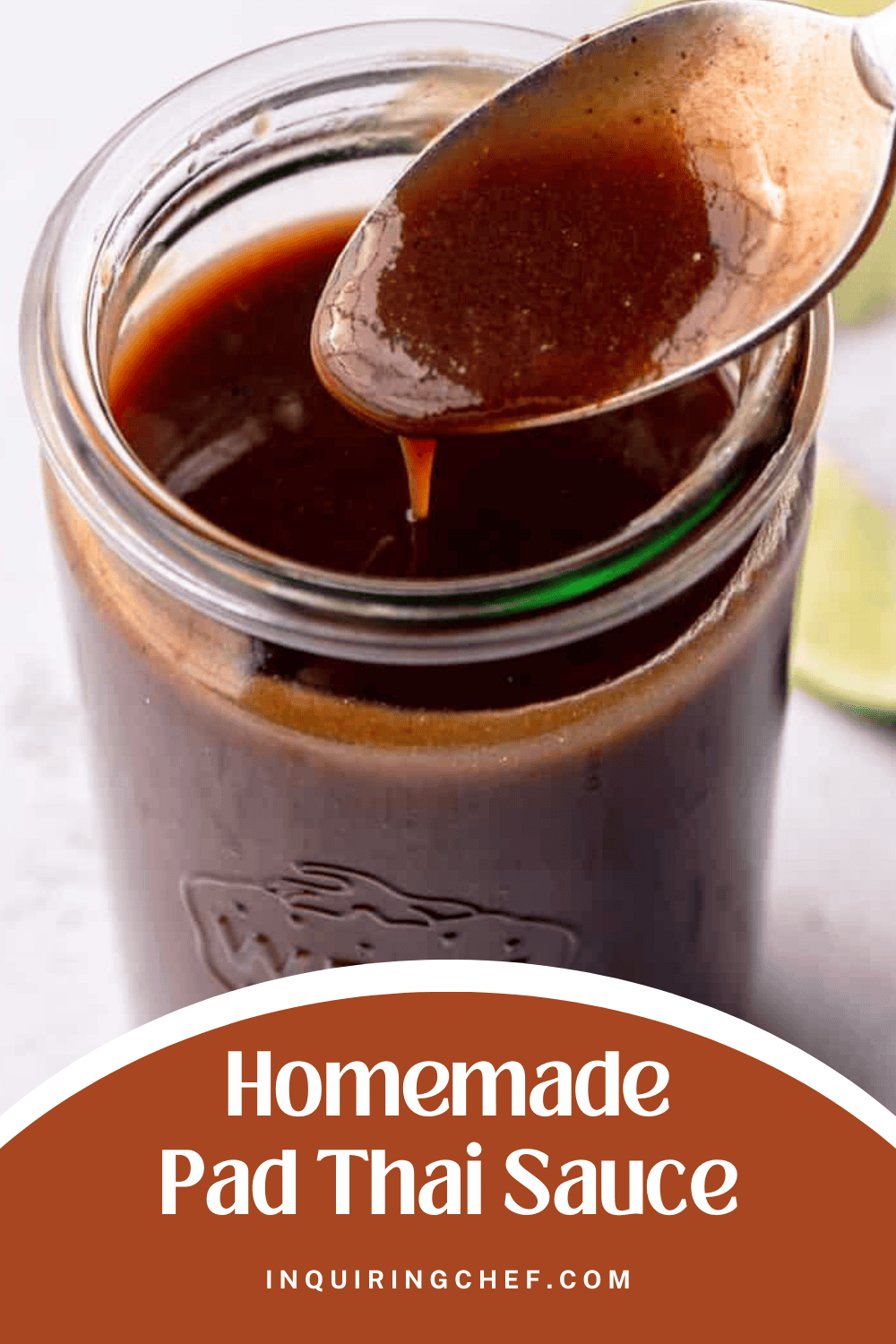
Want to make Pad Thai at home? It’s easy once you’ve made the sauce! Pad Thai Sauce is simpler than you might think – just four ingredients to contribute the key flavors of sweet, sour, and savory. Make the sauce first, and you’re just a few steps away from homemade Pad Thai.
mavee125 says: ⭐⭐⭐⭐⭐ “This PAD THAI SAUCE is so flavorful! I used a Coconut Aminos Soy-Free Seasoning Sauce that I bought from Karman Foods, as an alternative, and the taste was absolutely delicious!”
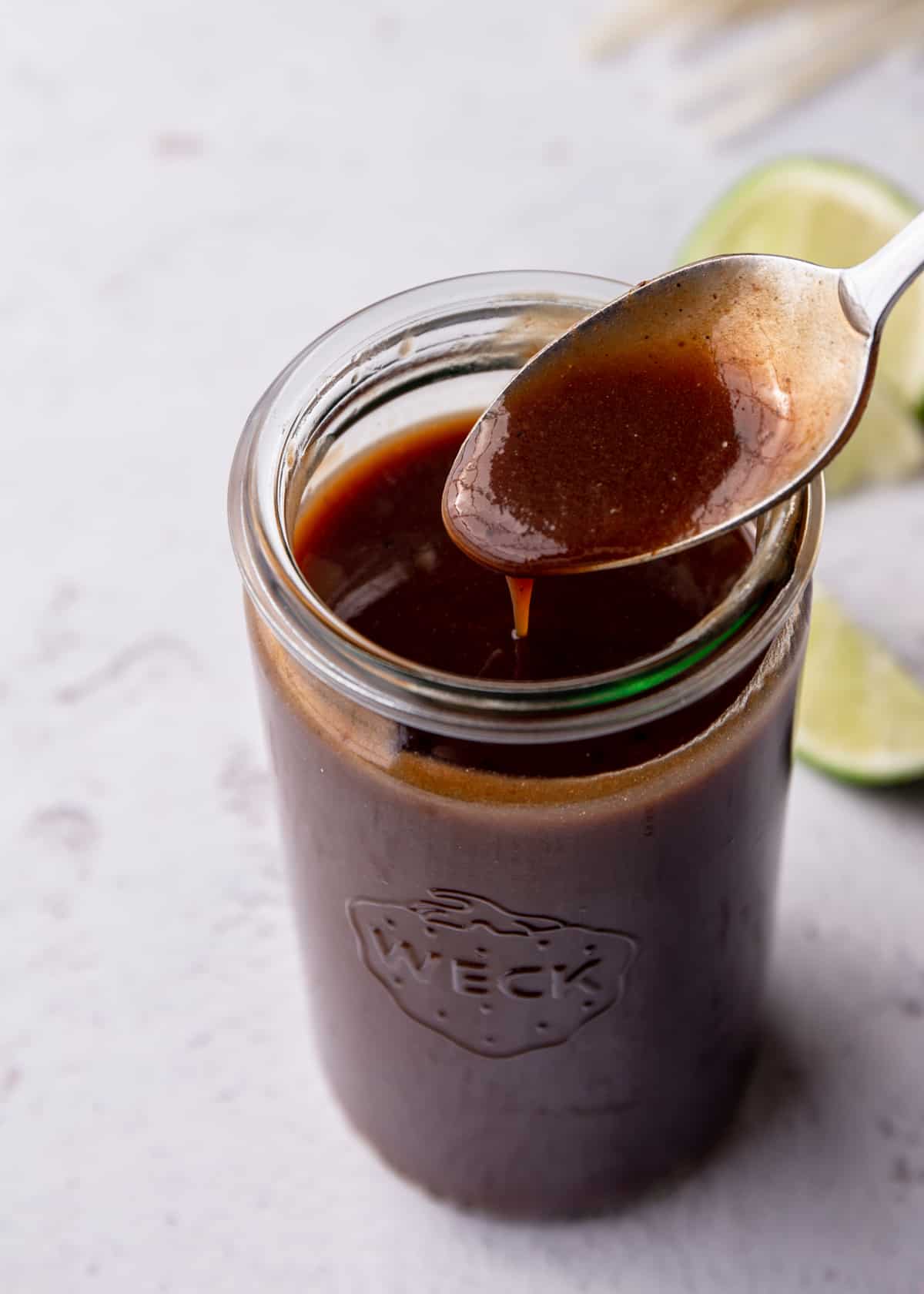
In the five years that I lived in Bangkok one thing that always amazed me was how fast Thai street vendors could throw together a fantastic meal. The key is having everything ready ahead of time and then cooking it on a giant wok over high heat. And the sauces are everything. So let’s get right to it! To make authentic Pad Thai Sauce, you need tamarind, fish sauce or soy sauce (or a combination), and palm sugar.
Hey There!
Already feeling intimidated about finding tamarind and palm sugar? No worries! Instead, start with my Easy Pad Thai Sauce (without tamarind) which uses pantry staples.
Once you’ve got Pad Thai Sauce in your fridge, you’re ready to make either authentic Pad Thai OR quick and easy Pad Thai.
Still with me? Let’s make this!
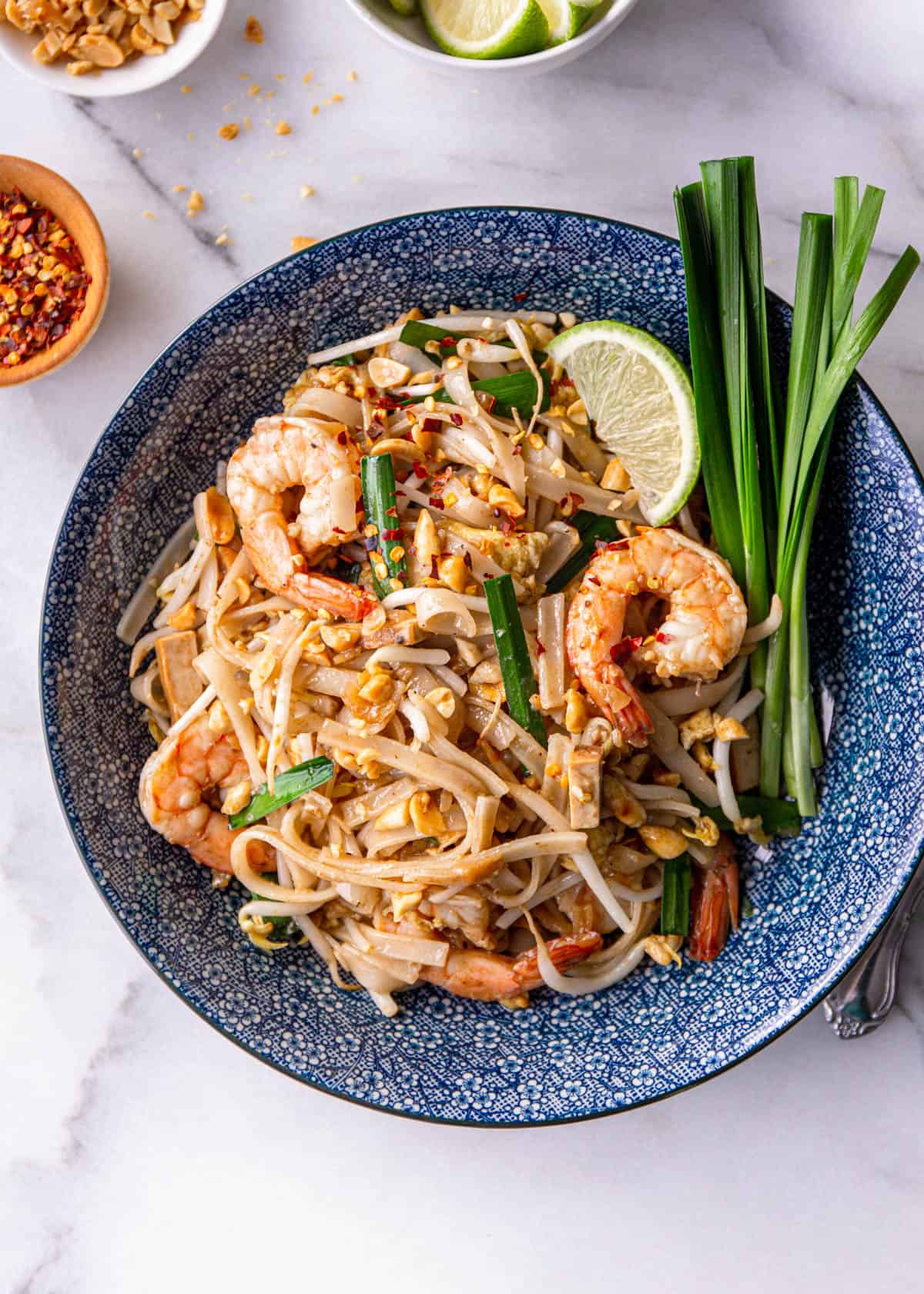
Ingredients for Pad Thai Sauce
- Tamarind Paste – The key ingredient in Classic Pad Thai is tamarind paste. It is sweet, tart, and nothing else tastes quite like it. Read everything you need to know about how to make tamarind paste here.
- Fish Sauce and Soy Sauce – The savory, rich flavors of fish sauce and soy sauce balance the sweetness in the sauce.
- Palm Sugar – This is the original sweetener used in Thailand. It has a sweet, caramel flavor that is more nuanced than white sugar. If you don’t have palm sugar, you can use alternative sweeteners like light brown sugar or honey, but you may need to adjust the sauce a bit as these may taste more sweet than palm. See below for more details.
Pin this now to save it for later
Pin It Now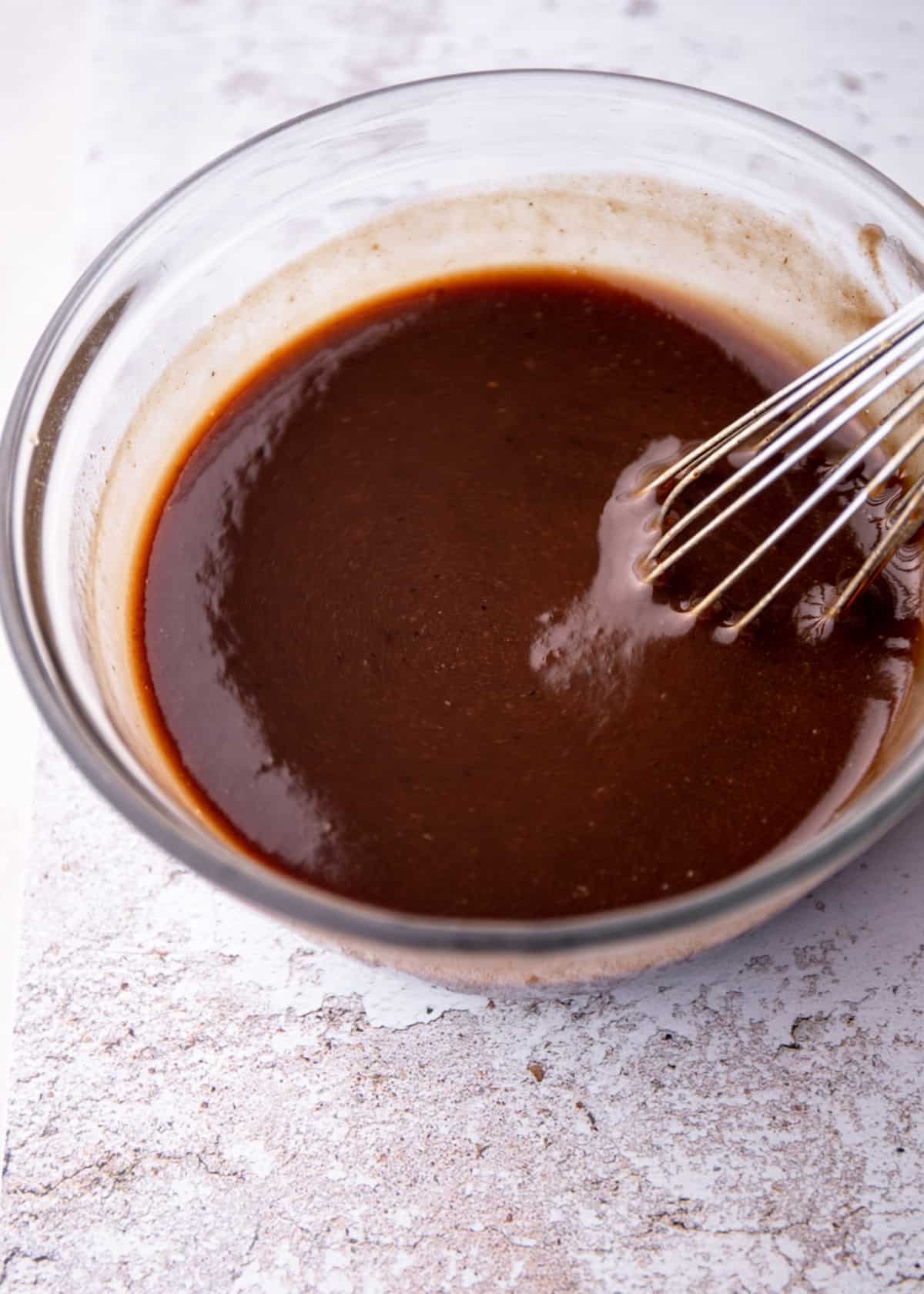
What is Palm Sugar?
Palm sugar is sugar extracted from any type of palm tree. This includes coconut palm trees as well as many other palm trees. It is a rich golden color and can be purchased in firm hard disks or softened into a paste.
Most Asian grocery stores carry a variety of palm sugars. For the best Pad Thai Sauce look for palm sugar with no added ingredients. It should say 100% palm sugar.
What is the difference between tamarind paste and tamarind concentrate?
I’m glad you asked! Tamarind paste is usually diluted with water. It’s not necessarily the consistency of paste; it can actually sometimes be quite thin (check out my tutorial on how to make tamarind paste to see why this is so variable). If you are using tamarind concentrate it tends to have a much stronger flavor. Again, the texture isn’t the most distinct difference between the two – it’s the intensity of flavor that is the big difference.
And no matter what type of tamarind you use to make Pad Thai Sauce, it’s very important that you taste the sauce and adjust. Tamarind is a fruit and just like apples, pears, and oranges, some can be very sour and some can be quite sweet. You have all of the tools in the recipe to adjust the flavor, adding more sweetness or more savory flavor (or even more lime juice to your finished Pad Thai) to make it taste the best to you.
How to Measure Palm Sugar
If your palm sugar is in firm disks, you’ll want to soften it in order to measure it. Use a sharp knife to slice off slivers of the disk. Add 1 Tablespoon water and microwave until the sugar melts or heat in a small saucepan until softened. Light brown sugar or honey have a more one-dimensional sweet flavor but can be used as a substitute.
How to Store Pad Thai Sauce
Pad Thai Sauce can be stored in the refrigerator for 3 weeks or in the freezer for up to 6 months. Defrost in the refrigerator overnight before using.
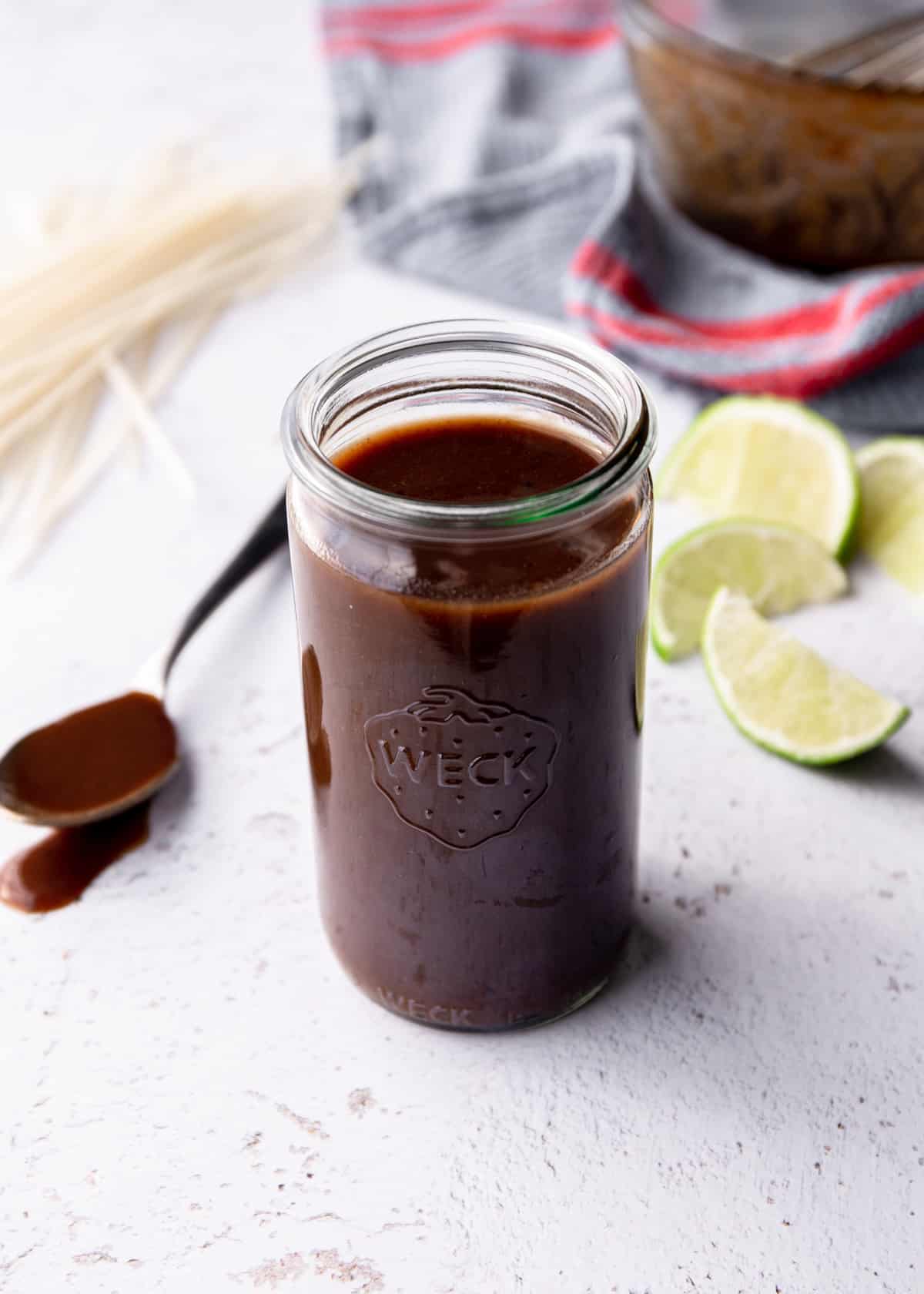
Ways to Use Pad Thai Sauce
Of course, the go-to way to use Pad Thai Sauce is in homemade Pad Thai! But if you have leftover sauce or want to use these great flavors in other ways, try one of these:
- Add it to a stir-fry with chicken and vegetables
- Toss it with seared tofu
- Whisk it into olive oil for a great salad dressing (try it on this Thai chopped salad)
- Make lettuce wraps with it
Endless possibilities, I tell ya!
Favorite Tools
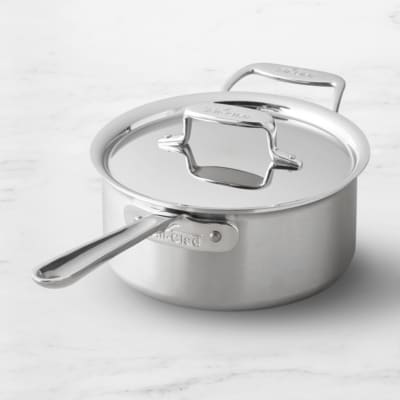
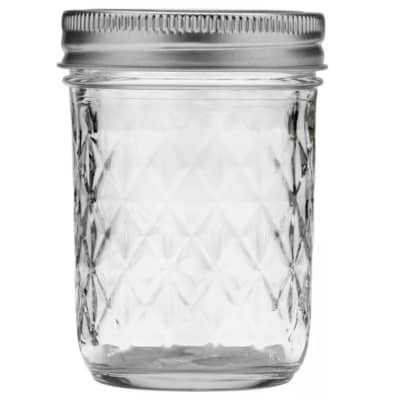
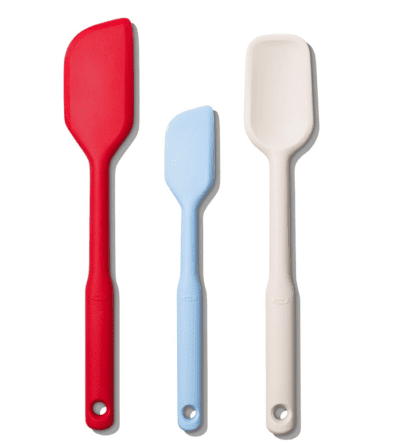
Pin this now to save it for later
Pin It Now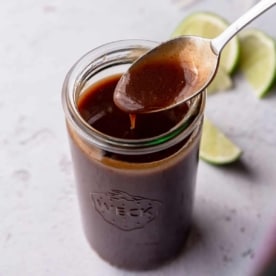
Pad Thai Sauce Recipe
Equipment
- Mixing Bowl
Ingredients
- 1/2 cup tamarind paste (see note)
- 1/4 cup water
- 2 tablespoons fish sauce
- 1 tablespoon soy sauce
- 1/4 cup grated palm sugar or light brown sugar (see note)
Instructions
- Combine all ingredients in a small saucepan over medium heat. As soon as the sauce starts to simmer and the palm sugar is completely dissolved, move the pan off the heat.
- Taste the sauce and adjust it to fit your taste. Some people like their sauce a bit more sweet, so if that's you, add a bit more sugar and simmer for another minute. If you prefer a bit more salty/umami flavor, add a bit more soy or fish sauce. You can also add a bit of lime zest if you like a more pronounced citrus flavor.
- Store in an airtight container in the refrigerator for 3 weeks or freeze for 6 months.
Notes
Nutrition
Nutrition information is automatically calculated, so should only be used as an approximation.










I need a little heat!
Add all the heat you like! So easy to customize